


In the field of biomedicine, Antibody-Oligonucleotide Conjugates (AOC) and Antibody-Drug Conjugates (ADC) represent two significant therapeutic strategies. While they share similarities in target selection and therapeutic mechanisms, their coupling methods exhibit notable differences. This article aims to analyze these differences and similarities in detail.
1. Basic Concepts of Coupling Methods
Antibody-Drug Conjugates (ADC) are designed to link cytotoxic drugs to antibodies, leveraging the specificity of antibodies to deliver drugs directly to tumor cells. The coupling methods for ADCs typically involve direct conjugation techniques, primarily relying on chemical reactions between the drug and the antibody.
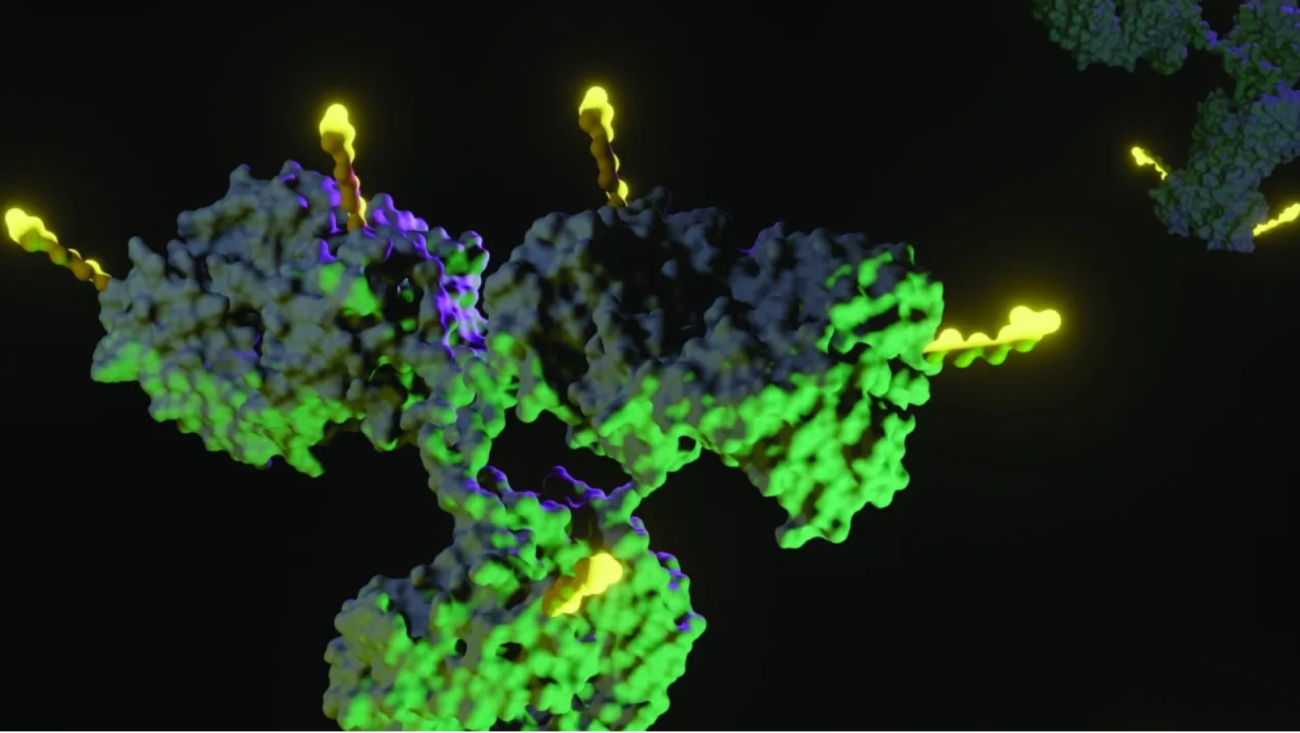
Antibody-Oligonucleotide Conjugates (AOC), on the other hand, involve the conjugation of oligonucleotides to antibodies. This approach is often used for targeted delivery of nucleic acid-based therapeutics, such as siRNA or antisense oligonucleotides. The coupling methods for AOCs can vary significantly from those used in ADCs.
2. Similarities in Coupling Methods
Both AOC and ADC utilize the principle of conjugation to enhance the therapeutic efficacy of their respective payloads. The common goal is to achieve targeted delivery, minimizing off-target effects and enhancing the therapeutic index.
Target Specificity: Both AOC and ADC rely on the specificity of antibodies to bind to specific antigens on the surface of target cells, ensuring that the therapeutic agents are delivered precisely where they are needed.
Chemical Linkers: Both types of conjugates often employ chemical linkers to facilitate the attachment of the therapeutic agent (drug or oligonucleotide) to the antibody. These linkers can be designed to be stable in circulation but cleavable within the target cells, allowing for controlled release of the therapeutic agent.
3. Differences in Coupling Methods
Despite the similarities, the coupling methods for AOC and ADC differ in several key aspects:
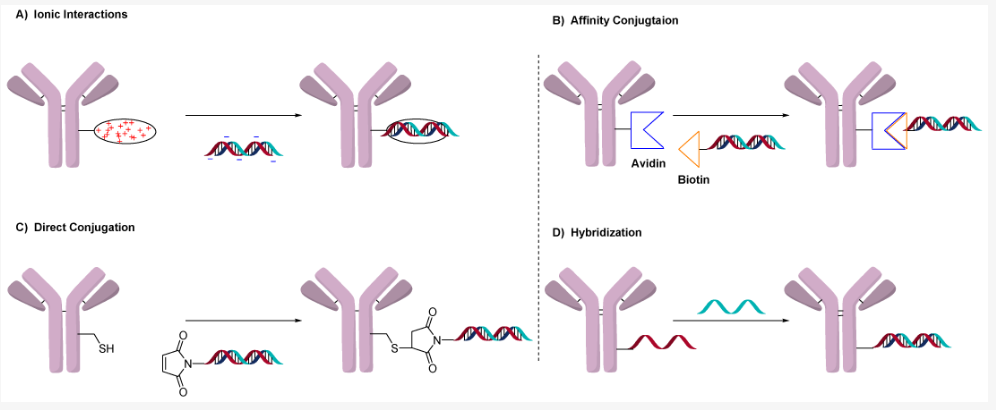
Type of Payload: The most significant difference lies in the nature of the payload. ADCs typically use small molecule drugs that require specific chemical modifications for effective conjugation. In contrast, AOCs utilize nucleic acids, which may require different chemical strategies for conjugation, such as phosphoramidite chemistry or click chemistry.
Conjugation Techniques: ADCs often employ techniques such as maleimide-thiol chemistry or NHS-ester chemistry for coupling, which are well-established methods for attaching small molecules to proteins. AOCs, however, may utilize techniques like copper-catalyzed azide-alkyne cycloaddition (CuAAC) or other bioconjugation methods that are more suited for oligonucleotides.
Stability and Release Mechanisms: The stability of the conjugate in circulation and the mechanism of payload release can also differ. ADCs are designed to release their cytotoxic payload upon internalization and lysosomal degradation, while AOCs may rely on enzymatic cleavage or hybridization events to release their oligonucleotide payloads.
Conclusion
In summary, while Antibody-Oligonucleotide Conjugates (AOC) and Antibody-Drug Conjugates (ADC) share the common goal of targeted therapy through conjugation, their coupling methods differ significantly due to the nature of their respective payloads and the specific chemical strategies employed. Understanding these differences is crucial for the development of effective therapeutic strategies in the treatment of various diseases, particularly cancer.
ACUBIOCHEM has over a decade of experience in the field of antibody-oligonucleotide conjugations (AOCs), dedicated to providing high-quality antibody-oligo conjugates for the oligonucleotide therapeutic industry. We utilize various coupling strategies to ensure that we meet our clients’ diverse needs. Our scientists are skilled in a variety of conjugation methods, with cross-linking chemistries being one of our areas of expertise, enabling effective conjugation of oligonucleotides regardless of their structure or modifications.
We are equipped with advanced preparation and detection facilities, ensuring that the resulting conjugates are chemically stable and suitable for use in in vitro assays, in vivo studies, and immunization research. Our quality control methods confirm the successful labeling of antibody-oligonucleotide conjugates, and these services are included in our custom offerings to ensure comprehensive support for our clients. We offer free technical consultation services, so contact us now at info@acubiochem.com to start your journey to success!