

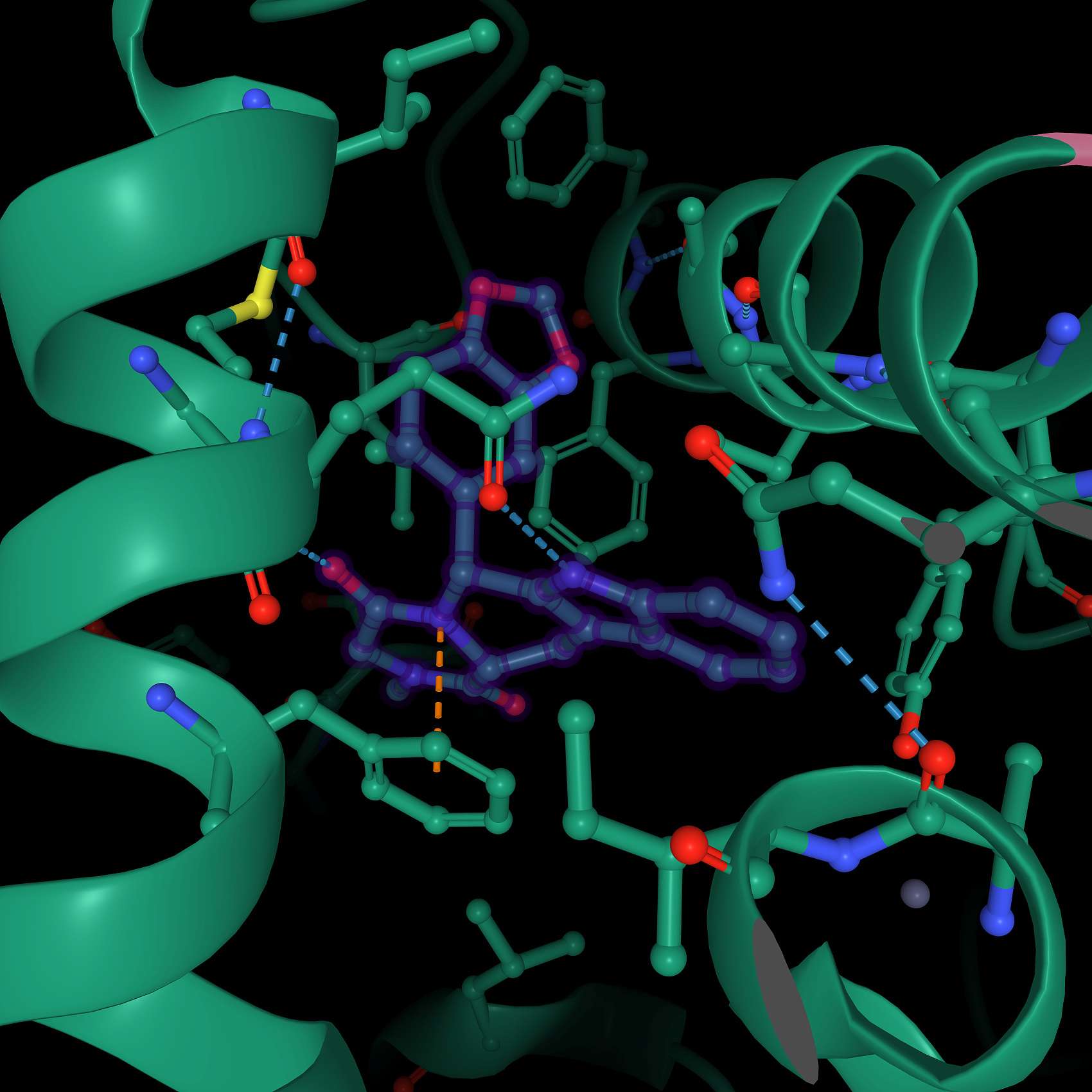
Oligonucleotide conjugates have emerged as a groundbreaking class of therapeutics, combining the precision of genetic regulation with enhanced delivery capabilities. These innovative molecules are transforming the landscape of gene therapy and targeted treatment strategies. This comprehensive article explores the definition, classification, research advances, and promising future directions of this rapidly evolving field.
What Are Oligonucleotide Conjugates?
oligonucleotide conjugates are modified genetic molecules created by attaching oligonucleotides to specific functional carriers. Oligonucleotides themselves are short DNA or RNA sequences typically comprising 20 to 60 nucleotides, possessing remarkable gene regulatory capabilities that make them valuable for therapeutic applications. However, unmodified oligonucleotides encounter significant biological barriers, including enzymatic degradation, poor cellular uptake due to their negative charge and hydrophilic nature, and rapid clearance from circulation. By conjugating these molecules with targeting agents, researchers have developed advanced delivery systems that overcome these fundamental limitations.
Key Characteristics of Conjugated Oligonucleotides
The conjugation of oligonucleotides with functional molecules confers several critical advantages that distinguish them from traditional genetic therapeutics:
- Targeted Delivery: Conjugation with antibodies, peptides, or aptamers enables precise delivery to specific cell types and tissues, minimizing off-target effects.
- Enhanced Stability: Conjugated oligonucleotides demonstrate significantly improved half-life and resistance to nuclease degradation in physiological conditions.
- Superior Bioavailability: Modified pharmacokinetics result in better tissue penetration and more sustained therapeutic effects at lower doses.
- Reduced Immunogenicity: Strategic conjugation can mask immunogenic sequences while maintaining therapeutic activity.
Classification of Oligonucleotide Conjugates
Modern therapeutic development has produced several distinct classes of oligonucleotide conjugates, each offering unique advantages for specific therapeutic applications:
Antibody-Oligonucleotide Conjugates (AOCs)
These sophisticated constructs leverage the specificity of monoclonal antibodies to deliver therapeutic oligonucleotides directly to desired cell populations. Site-specific or non-site-specific conjugation methods allow precise control over drug-to-antibody ratios, optimizing both efficacy and safety profiles.
Peptide-Oligonucleotide Conjugates (POCs)
Cell-penetrating peptides and targeting sequences facilitate intracellular delivery of oligonucleotides, significantly enhancing cellular uptake mechanisms. These conjugates are particularly valuable for accessing subcellular compartments where therapeutic activity is required.
Aptamer-Oligonucleotide Conjugates
The unique three-dimensional binding capabilities of aptamers enable highly specific targeting when conjugated with therapeutic oligonucleotides, creating dual-recognition therapeutics with exceptional selectivity.
Lipid-Oligonucleotide Conjugates
Lipid nanoparticle formulations have revolutionized nucleic acid delivery, providing stable carriers that protect oligonucleotides from degradation while enabling efficient endosomal escape.
Advanced Conjugation Technologies
Contemporary synthetic approaches employ sophisticated chemical methods to create homogeneous, well-defined oligonucleotide conjugate products:
- Copper-Free Click Chemistry (SPAAC): Bioorthogonal reactions enable site-specific conjugation under physiological conditions without metal catalysts.
- Direct Amide Coupling (HATU/HBTU): Standard peptide coupling reagents facilitate robust amide bond formation between carboxylic acids and amines.
- Maleimide-Thiol Chemistry: Selective reactions between maleimide groups and free sulfhydryl residues provide controllable conjugation sites.
- Strain-Promoted Alkyne-Azide Cycloaddition: Rapid, selective reactions compatible with complex biological molecules.
Recent Research Advances in Conjugated Oligonucleotides
The field of oligonucleotide therapeutics has witnessed remarkable progress in recent years:
Breakthroughs in Delivery Efficiency
Studies have demonstrated that antibody-oligonucleotide conjugates achieve substantially higher cellular uptake in target tissues compared to unmodified oligonucleotides. Preclinical models show that AOCs can effectively deliver siRNA to hepatocytes, resulting in significant gene silencing and tumor growth inhibition in relevant disease models.
Pharmacokinetic Optimization
Strategic conjugation design has resolved historical challenges with rapid drug clearance. Modern antisense oligonucleotide platforms now demonstrate extended circulation half-lives, improved tissue distribution, and reduced dosing frequency requirements.
Clinical Development Progress
Multiple conjugate candidates have advanced to clinical evaluation. DYNE-101, developed for Duchenne muscular dystrophy (DM1) and Becker muscular dystrophy (BMD), has demonstrated promising biomarker changes and functional improvements in early clinical trials. Similarly, TNT-003 targeting complement-mediated diseases has shown encouraging safety and efficacy profiles in Phase I studies.
Future Directions and Emerging Opportunities
Looking ahead, several key areas represent priority development pathways for oligonucleotide conjugate technology:
- Next-Generation Linker Design: Cleavable and stimuli-responsive linkers that release therapeutic payloads at optimal intracellular locations.
- Multivalent Constructs: Multiple oligonucleotide copies per carrier to amplify therapeutic potency while reducing antibody-related costs.
- Novel Targeting Moieties: Bispecific antibodies, engineered scaffolds, and small molecule ligands expanding the range of addressable cell types.
- Combination Therapies: Synergistic approaches pairing immunotherapy agents with gene-silencing conjugates for enhanced therapeutic outcomes.
- Personalized Medicine Applications: Patient-specific mutation targeting using rationally designed conjugates.
Conclusion
Oligonucleotide conjugates represent a paradigm shift in genetic medicine, offering unprecedented control over therapeutic delivery and efficacy. The convergence of advances in conjugation chemistry, antibody engineering, and delivery technology has positioned this class of therapeutics for significant clinical impact. Ongoing research continues to address remaining challenges in immunogenicity, manufacturing scalability, and tissue-specific targeting.
As the field matures, oligonucleotide conjugates are expected to play an increasingly important role in treating genetic diseases, cancer, and complex multifactorial conditions that have proven intractable to conventional therapeutic approaches. For researchers and pharmaceutical developers seeking to leverage this technology, consulting with experienced partners who understand the unique complexities of conjugate synthesis and characterization is essential for success.
Partner with ACUBIOCHEM for Your Conjugation Needs
ACUBIOCHEM brings over 10 years of specialized experience in oligonucleotide conjugation services. Our state-of-the-art facilities enable comprehensive support from research-scale synthesis through commercial production. We maintain rigorous quality control standards and offer free technical consultations to help you navigate your project requirements. Contact us today to discuss your development needs.